

Hey there! As a supplier of Cheap Pillow Covers, I often get asked a super important question: Can they be used by people with allergies? Today, I'm diving deep into this topic to shed some light on whether our pillow covers are a safe bet for allergy sufferers.
Let's start with the materials. We offer a wide range of pillow covers, each made from different stuff. First off, we've got the Button Pillow Cover. These are often made from cotton or a cotton blend. Cotton is a great option for people with allergies. It's natural, breathable, and hypoallergenic. It doesn't trap dust mites, which are a common allergen. Dust mites love to live in warm, moist places, and synthetic materials can provide the perfect environment for them. But cotton allows air to circulate, keeping the pillow cover dry and less inviting to those pesky mites.
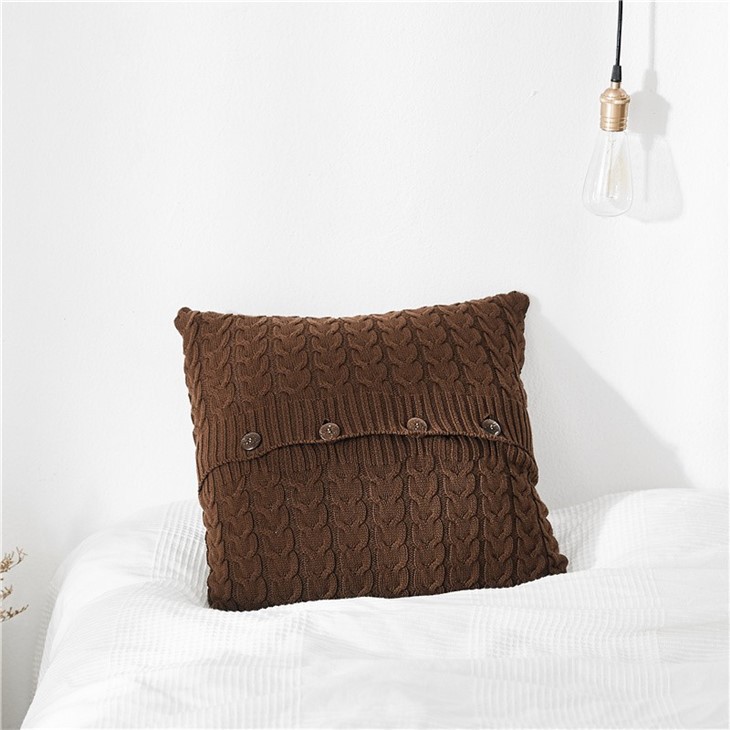
Another popular type is the Knitted Cushion Covers. Knitted covers can be made from various fibers, like wool, acrylic, or a mix of both. Now, wool can be a bit of a tricky one for allergy sufferers. Some people are allergic to the lanolin in wool, which is a natural oil that keeps sheep's wool waterproof. But there are also specially processed wools that are hypoallergenic. These wools have had the lanolin removed, making them safer for those with sensitivities. Acrylic, on the other hand, is a synthetic fiber. While it may not be the first choice for those with severe allergies, it's generally less likely to cause allergic reactions compared to some other synthetics. It's also easy to clean, which is a plus when it comes to reducing allergens.
Then we have the luxurious Velvet Throw Pillow Covers. Velvet can be made from silk, rayon, or a blend of materials. Silk is a natural fiber that is hypoallergenic and resistant to dust mites. It's also smooth and soft, which can be really comfortable for those with sensitive skin. Rayon, however, is a semi-synthetic fiber. It's made from wood pulp, but the processing involved can sometimes leave behind chemicals that might cause allergic reactions in some people. So, if you're allergic to chemicals or have a very sensitive respiratory system, you might want to double-check the manufacturing process of the rayon velvet pillow covers.

When it comes to cleaning, that's a huge factor in keeping pillow covers allergy-free. Most of our pillow covers are machine washable, which is a big advantage. Washing regularly can remove dust, pollen, and other allergens that might build up over time. Just make sure to use a mild, fragrance-free detergent. Strong scents and harsh chemicals in detergents can irritate the skin and respiratory system, especially for those with allergies.
Now, let's talk about the filling. While we're mainly focused on pillow covers here, the filling can also affect whether someone with allergies can use the pillow safely. If you're using our pillow covers with down or feather filling, that might be a problem for some allergy sufferers. Down and feathers can carry dust mites, mold, and other allergens. But there are synthetic fillings available that are hypoallergenic. These synthetic fills are often made from polyester or other similar materials, and they provide a great alternative for those with allergies.
So, to answer the question, Can they be used by people with allergies? The answer is, it depends. Our pillow covers come in a variety of materials, and while some are definitely more allergy-friendly than others, there are options for just about everyone. If you have mild allergies, you might be able to get away with using most of our covers. But if you have severe allergies, you'll want to pay extra attention to the materials and the cleaning instructions.
If you're interested in purchasing our Cheap Pillow Covers and want to learn more about which ones are best for allergy sufferers, feel free to reach out. We're more than happy to help you find the perfect pillow covers for your needs. Whether you're looking for something cozy and soft or something stylish and durable, we've got you covered. So, don't hesitate to contact us for a purchase discussion.
References
- Mayo Clinic. Allergies. Retrieved from [Mayo Clinic website]
- American Academy of Allergy, Asthma & Immunology. Allergen Avoidance. Retrieved from [AAAAI website]


