

Hey there, fellow sewing enthusiasts! As a long - time bobbin thread supplier, I've seen it all when it comes to the little yet crucial component of the sewing world: the bobbin thread in the bobbin case. Today, I'm gonna share some tips on how to ensure the bobbin thread is properly seated in the bobbin case.
First things first, let's understand why it's so important. When the bobbin thread isn't seated right in the bobbin case, you're in for a world of trouble. You might end up with uneven stitches, thread breakage, or even your machine jamming up. And trust me, those issues can turn a fun sewing project into a real headache.
Preparing the Bobbin
Before we even think about putting the thread in the bobbin case, we need to wind the bobbin correctly. Start by choosing the right bobbin for your machine. Different sewing machines require different types of bobbins, so make sure you've got the right one.
Next, thread your machine's bobbin winder. Most machines have a simple threading path for this. Pass the thread through the necessary guides and hooks on the winder. It's like following a little map, and once you get the hang of it, it'll be second nature.
Once the thread is through the winder, place the bobbin on the winder spindle. Hold the end of the thread firmly against the bobbin, and then start the winder. Keep an eye on the thread as it winds. You want it to wind evenly around the bobbin. If it starts to bunch up on one side, stop the winder, and adjust the thread.
Loading the Bobbin into the Case
Now that we've got a properly wound bobbin, it's time to load it into the bobbin case. Open up your bobbin case. You'll usually find a little latch or lever to do this.
Take the bobbin and place it in the case. Make sure it fits snugly. The thread should unwind in the correct direction. Most bobbin cases have an arrow or some sort of indicator to show you which way the thread should go.
Once the bobbin is in the case, thread the thread through the tension spring or other thread guides in the case. This step is crucial because it helps control the tension of the bobbin thread. If the thread isn't threaded through these guides correctly, the tension will be off, and your stitches will suffer.
Checking the Thread Path
After you've loaded the bobbin into the case, it's important to check the thread path. The thread should run smoothly through all the guides in the case. Look for any signs of the thread catching or getting tangled.
If you're using a top - loading bobbin case, make sure the thread is coming out of the case in the right place. It should be able to feed into the machine's needle area without any hitches.
For front - loading or drop - in bobbin cases, the thread path is a bit different, but the principle is the same. The thread needs to move freely and be in the correct position to work with the machine's upper thread.
Testing the Thread
Once you've got the bobbin thread seated in the case and the thread path checked, it's time to test it. Put the bobbin case back into your sewing machine. Thread the upper thread as usual, and then lower the presser foot.
Take a scrap piece of fabric that's similar to what you'll be using for your project. Make a few test stitches. Watch the stitches closely. Are they even? Do they look good on both sides of the fabric?
If the stitches are uneven, it could mean that the bobbin thread isn't seated properly. You might need to re - check the tension in the bobbin case or the way the thread is threaded through the guides.
Troubleshooting
Sometimes, even after following all the steps, you might still run into problems. If you're getting loops of thread on the top or bottom of your fabric, it could be a tension issue. Try adjusting the tension on your bobbin case. Most cases have a little screw or dial that you can turn to increase or decrease the tension.
If the thread keeps breaking, it could be that the thread is caught somewhere in the case or that the bobbin isn't spinning freely. Check for any snags or rough spots in the case, and make sure the bobbin can rotate easily.
Maintaining Your Bobbin Case
To keep your bobbin thread seating properly in the case over time, it's important to maintain your bobbin case. Regularly clean it to remove any lint or debris. Lint can build up in the case and cause problems with the thread's movement and tension.
You can use a small brush or a can of compressed air to clean the case. Just be gentle so you don't damage any of the delicate parts.
Related Products and Their Importance
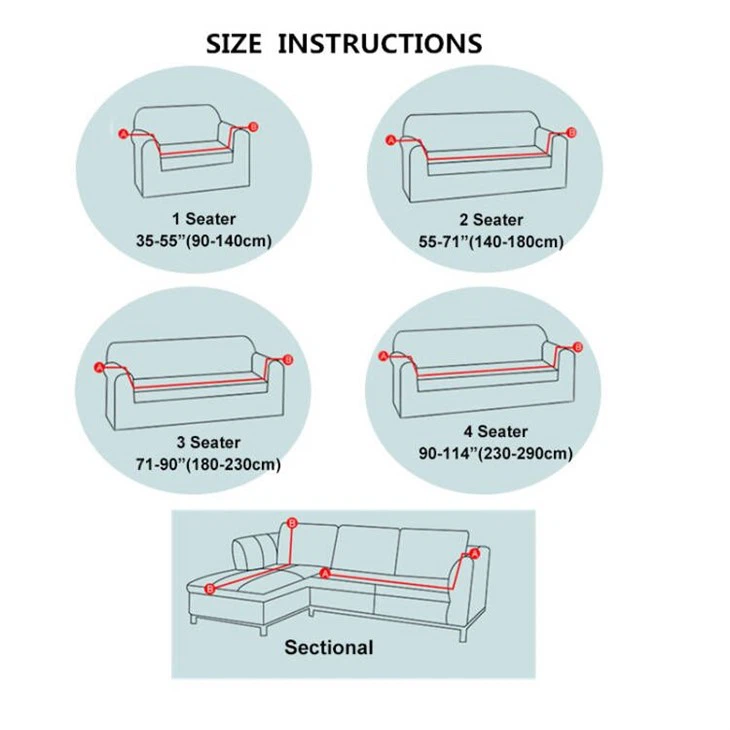
When it comes to sewing projects, having the right supplies is key. Along with high - quality bobbin thread, other products can also enhance your sewing experience. For instance, a Jacquard Sofa Slipcover can be a great project for those who love upholstery work. The stretchy jacquard fabrics used in these slipcovers require precise stitching, and having a properly seated bobbin thread is essential for a professional - looking finish.
A Waffle Shower Curtain is another interesting project. The waffle texture might need some special stitching techniques, and a well - behaved bobbin thread ensures that your curtain holds up well and looks great.
And if you're into protecting your furniture, a Velvet Sofa Protector is a wonderful project. Velvet is a delicate fabric, and the right bobbin thread and proper seating in the case will help you create a protector that not only looks good but also lasts.
Conclusion
Ensuring the bobbin thread is properly seated in the bobbin case is a skill that every sewer should master. It might take a little practice, but once you get it right, your sewing projects will go much more smoothly.
As a bobbin thread supplier, I'm always here to help you with any questions you might have about our products. Whether you're a beginner just starting out or an experienced sewer looking for the best thread for your next big project, we've got you covered.
If you're interested in purchasing our high - quality bobbin thread, I encourage you to reach out to start a procurement discussion. We offer a wide range of thread colors and types to suit all your sewing needs.
References
- Sewing Machine Manuals: Most sewing machine manufacturers provide detailed instructions on bobbin threading and seating in their manuals.
- Online Sewing Communities: There are many forums and groups where sewers share their experiences and tips on bobbin - related issues.


