

Hey there! As a supplier of banquet chair covers, I know how crucial it is to have color consistency for those special events. Picture this: You're setting up a gorgeous wedding reception, with all the decorations coming together perfectly. But then, you notice that some of the chair covers have slightly different shades of the same color. It can really take away from the overall aesthetic and make the whole setup look a bit off. So, how can we ensure that beautiful color consistency? Let's dive in!
Understanding the Color Model
First things first, we need to have a basic understanding of the color model. You might have heard of RGB (Red, Green, Blue) and CMYK (Cyan, Magenta, Yellow, Black). RGB is mainly used for digital displays, like your computer screen or phone. When we're talking about the actual production of chair covers, we rely on the CMYK model. This is because it's designed for printing and fabric dyeing.
When we're creating a color for our chair covers, we start with getting the right blend of cyan, magenta, yellow, and black. But it's not as simple as just mixing any amounts of these colors. Each color has a specific percentage that needs to be carefully measured. Even a small deviation in the percentage can lead to a noticeable color difference.
Sourcing High - Quality Dyes
The quality of the dyes we use plays a huge role in color consistency. Cheaper dyes might look okay when they're first applied, but over time, they can fade or change color. This is especially important because banquet chair covers are often used multiple times.
We always source our dyes from reputable suppliers. These suppliers have strict quality control measures in place. They test their dyes to ensure that they're color - fast, meaning they won't fade easily when exposed to light, water, or normal wear and tear. By using high - quality dyes, we can be more confident that the color of our chair covers will remain consistent over a long period.
Standardizing the Dyeing Process
Once we have the right dyes, we need to standardize the dyeing process. Every batch of chair covers needs to go through the same steps in the dyeing process to achieve consistent colors.
We start by pre - treating the fabric. This step helps to remove any impurities or substances that might affect the dye absorption. After pre - treatment, we carefully measure the amount of dye and water based on the quantity of fabric we're dyeing. The temperature and duration of the dyeing process are also crucial factors. We use precise temperature controls and timers to make sure that each batch is dyed under the exact same conditions.
Quality Control Checks
Quality control is an ongoing process when it comes to ensuring color consistency. After the dyeing process is complete, we conduct thorough inspections. Our quality control team uses a color - matching tool, which is a device that can accurately measure the color of the fabric and compare it to a standard color sample.
We also check each chair cover individually for any visible color differences. If we find any that don't meet our color standards, they're immediately set aside and either re - dyed or discarded. This might seem like a lot of work, but it's necessary to make sure that our customers receive chair covers with consistent colors.
Storing and Handling the Chair Covers
Proper storage and handling of the chair covers can also impact color consistency. When we store our chair covers, we keep them in a cool, dry place away from direct sunlight. Sunlight can cause the colors to fade over time, especially if the chair covers are exposed for long periods.

During handling, we make sure to use clean hands and tools. Any dirt or chemicals on our hands or equipment can potentially react with the dyes and cause color changes. Also, when transporting the chair covers, we use protective packaging to prevent any damage or discoloration.
The Impact on Different Styles of Chair Covers
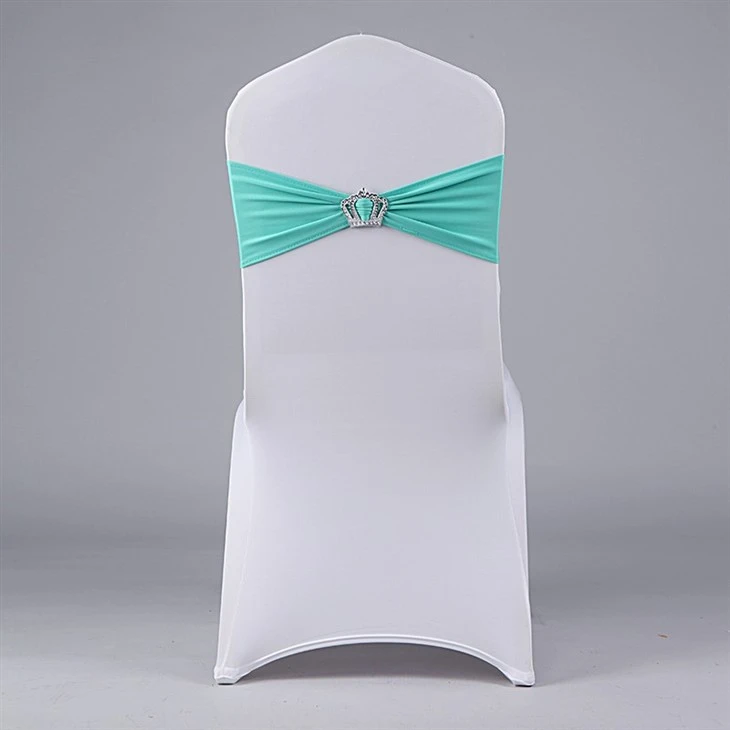
Let's talk about how color consistency applies to different styles of chair covers. For example, Chair Sashes are often used to add a pop of color to the chairs. Since they're usually made of a thinner fabric, they can be more sensitive to color variations. We take extra care when dyeing sashes to ensure that each one has the exact same color.
Semi - Circular Chair Cover and Wing Back Armchair Cover are larger and more complex in shape. This means that there's more fabric to dye, and it can be a bit more challenging to achieve color consistency across the entire cover. But with our standardized dyeing process and quality control measures, we're able to produce these covers with consistent colors as well.
Customer Communication
Another important aspect is customer communication. Before we start working on an order, we always provide our customers with a color sample. This way, they can see exactly what the color will look like in person. We also ask them to confirm the color sample, so there are no misunderstandings later on.
During the production process, we keep our customers updated on the progress. If there are any potential color - related issues, we let them know right away and work together to find a solution. This open line of communication helps to ensure that our customers are satisfied with the final color of their chair covers.
Conclusion
Ensuring color consistency for banquet chair covers is a multi - step process that involves understanding the color model, sourcing high - quality dyes, standardizing the dyeing process, conducting quality control checks, proper storage and handling, and effective customer communication. At our company, we're committed to providing our customers with chair covers that have beautiful and consistent colors.
If you're in the market for banquet chair covers and want to discuss your specific needs, feel free to reach out. We'd love to work with you to create the perfect look for your event!
References
- "Textile Dyeing and Printing Technology" by Peter Howarth
- "Color Science: Concepts and Methods, Quantitative Data and Formulae" by Gunter Wyszecki, W. S. Stiles


