


Jacquard Sofa Cover
What is Jacquard Sofa Cover
Jacquard Sofa Covers are specially designed slipcovers made from high-quality fabric. They are woven with intricate patterns using a Jacquard loom, which gives them a unique and stylish look. These covers are stretchable and can easily fit over different sizes and shapes of sofas, including L shape corner sectional sofas. They are also machine washable, making them convenient and easy to clean.
Benefits of Jacquard Sofa Cover
Protection
Jacquard sofa covers offer protection to your sofa from stains, spills, dirt, and dust. They help maintain the hygiene and cleanliness of your sofa.
Style
Jacquard sofa covers come in various colours, patterns, and designs. They provide a stylish and elegant look to your sofa, making it more attractive and inviting.
Easy to clean
Jacquard sofa covers are easy to clean and maintain. They can be machine washed or hand washed as per the care instructions mentioned on the label.
Durability
Jacquard sofa covers are made of durable materials that can withstand everyday wear and tear. They protect your sofa from scratches and damage caused by pets and children.
Budget-friendly
Jacquard sofa covers are an affordable way to protect and enhance the look of your sofa. You can change the cover as per your decor and budget.
Comfort
Jacquard sofa covers provide a comfortable and cozy feel to your sofa. They are soft and comfortable to sit on, making your seating experience more enjoyable.
-
![Jacquard Stretch Sofa Cover]() Jacquard Stretch Sofa CoverRead More
Jacquard Stretch Sofa CoverRead MoreFabric:95%Polyester 5% stretch Corn Jacquard . Pattern:Solid. Design:Pictures/As customer's request.
-
![Bubble Sofa Cover]() Bubble Sofa CoverRead More
Bubble Sofa CoverRead MorePackage:(1)Opp bag with size sticker. (2) your request package is accepted.. Payment :TT or L/C.
-
![Seersucker Sofa Cover]() Seersucker Sofa CoverRead More
Seersucker Sofa CoverRead MoreProduct Name:Seersucker Sofa Cover with Skirt. Fabric:90%Polyester 10% stretch Seersucker Fabric.
-
![Jacquard Waterproof Sofa Cover]() Jacquard Waterproof Sofa CoverRead More
Jacquard Waterproof Sofa CoverRead MoreFabric:95 %Polyester 5% stretch Corn Jacquard Waterproof Fabric. Pattern:Solid. Design:Pictures/As
-
![Jacquard Sofa Slipcover]() Jacquard Sofa SlipcoverRead More
Jacquard Sofa SlipcoverRead MorePayment:TT or L/C. Delivery time:10-20 days. Port of Loading:Shanghai/NANTONG,China.


Why Choose Us
Customer Service
We earn your respect by delivering on time and on budget. We built our reputation on exceptional customer service. Discover the difference it makes.
Competitive Pricing
We offer competitive pricing for our services without compromising on quality. Our prices are transparent, and we do not believe in hidden charges or fees.
Customer Satisfaction
We are committed to delivering high quality services that exceed our clients' expectations. We strive to ensure that our clients are satisfied with our services and work closely with them to ensure their needs are met.
One-stop service
We promise to provide you with the fastest reply, the best price, the best quality, and the most complete after-sales service.
Why should you choose Jacquard Sofa Covers
There are several reasons why Jacquard Sofa Covers are a great investment for your home.


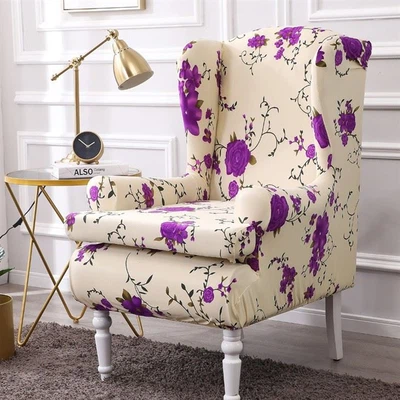

Protection: Jacquard Sofa Covers provide a protective layer that shields your sofa from spills, stains, and everyday wear and tear. They are especially useful if you have kids or pets, as they can help extend the lifespan of your sofa.
Style: These covers come in a variety of elegant patterns and colors, allowing you to choose the one that best matches your home decor. Whether you prefer a classic or modern look, there is a Jacquard Sofa Cover to suit your style.
Durability: Made from high-quality fabric, Jacquard Sofa Covers are designed to withstand daily use. They are resistant to fading, pilling, and shrinking, ensuring that they will maintain their beauty and functionality for years to come.
Easy to Install: With their stretchable fabric, Jacquard Sofa Covers can be easily installed in minutes. Simply slip them over your sofa and tuck in the extra fabric for a snug and seamless fit.
How is jacquard fabric made
Acquire the textile material
Different methods are used to acquire each type of textile material on the market. Cotton, for instance, is derived from clumps of fluffy fiber that surround mature cotton seeds. Wool, on the other hand, is acquired by shearing wool-bearing animals. Textile producers manufacture synthetic fibers by exposing petroleum, cellulose, or another substance to heat and various chemical processes.
01
Spin it into yarn
Once the basic textile fiber has been produced, fabric manufacturers spin it into yarn. It's possible to spin yarn in a variety of different thickness options, and in some cases, textile manufacturers expose yarn to post-spinning treatments that improve its durability or heat-resistance. It's common for textile yarn to be dyed.
02
Program the computerized Jacquard loom
Upon acquiring the desired types of yarn, textile manufacturers choose programs for their Jacquard looms. There are thousands of different weave patterns available for computerized Jacquard looms, and it's also possible to create new patterns. Choosing a program will prepare the computerized Jacquard loom to weave the yarn into a particular pattern.
03
Feed the yarn into the loom
Modern, computerized Jacquard looms commonly feed yarn into the weaving apparatus from a central location at the top of the loom. The Jacquard loom then arranges this yarn into a complex web as it produces the desired pattern. Some computerized Jacquard looms are capable of weaving multiple pieces of fabric at a time.
04
Expose the fabric to post-production treatments
While rare, some textile manufacturers dye their finished jacquard fabric. More commonly, textile manufacturers expose entire pieces of finished fabric to chemical substances that add enhanced durability or heat resistance.
05

Most textiles that feature complex, woven patterns are jacquard. While there are a few different subtypes of this fabric, each type of jacquard is used for similar purposes. In contemporary times, jacquard is most commonly used to make drapes and curtains, but it's also relatively common to find duvet covers that feature jacquard weaves.
Less commonly, textile manufacturers might use jacquard to make formal men's or women's attire including ornamental dresses and patterned suits. It's also reasonably common to find jacquard blouses and informal dresses.
Other non-apparel applications of jacquard include throw pillow covers and upholstery. Usually reserved for high-end, ornamental furniture and used less frequently on everyday sofas and chairs, jacquard lends an aura of elegance to otherwise commonplace pieces of furniture. It's also much easier to make complex woven tapestries using jacquard looms.
What different types of jacquard fabric are there
Brocade: Originating in Ancient China and first appearing in the West at the height of the Byzantine Empire, brocade is one of the most commonly woven jacquard fabrics. Originally woven with silk, textile producers now offer synthetic, cotton, and even wool brocade fabric. Simple brocade features only two colors of yarn, but it's possible to weave brocade that involves more than five different colors.
Damask: Unlike brocade and brocatelle, damask is reversible, and this type of fabric generally only features one warp yarn and one weft yarn. While damask is significantly easier to weave than brocade, it's still faster and more efficient to produce damask using a Jacquard loom.
Matelasse: Commonly used to make coverlets and pillow shams, matelasse fabric features raised patterns. Originally stitched by hand, it's much easier to produce matelasse using a Jacquard loom or a quilting machine.
Cotton jacquard: Cotton jacquard fabrics are usually less complex, and they are among the least expensive textiles made using Jacquard looms. Jacquard fabrics featuring cotton have largely replaced linen jacquard textiles.
Silk jacquard: Considered to be the most luxurious type of jacquard fabric, silk jacquard is commonly used to make complex brocade patterns or tapestries. In previous centuries, silk was the primary fiber used to make brocade.
Wool jacquard: While less fine than silk, wool is commonly used to make jacquard tapestries. Due to its insulative properties, wool jacquard is also sometimes used to make cold-weather garments like sweaters and gloves.
Synthetic jacquard: Due to their inexpensiveness, some jacquard producers have opted to use synthetic fibers instead of silk, cotton, or wool. Synthetic jacquard is low-quality, however, and it has a decidedly negative environmental impact.
Jacquard knit: Certain types of knitting machines can be equipped with devices similar to jacquard looms. These modified knitting machines produce knit fabrics with complex, jacquard-like patterns.
What are the Applications of Jacquard Sofa Cover
Jacquard sofa covers are used to enhance the look and feel of the living room or any other room where sofas are located.
Covers protect the sofas from spills, pet hair, and stains. They also protect against accidental damages such as scratches and tears.
Jacquard sofa covers can be customized according to the color and design of the interior of the house to make them seamlessly integrate with the overall decor of the house.
Jacquard sofa covers have a long life and are less prone to wear and tear. As a result, they are a cost-effective option for sofa protection.
Soft and comfortable sofa covers can make seating more comfortable and cozy.
Jacquard sofa covers are easy to clean and maintain. They can be machine-washed or hand washed.
You can choose different jacquard sofa covers to suit the changing seasons and create a fresh and updated look for your home.
To get rid of stubborn stains and filth that regular cleaning may not be able to remove, thoroughly cleaning your couch cover is essential. The following advice will help you thoroughly clean your couch cover at home:
Verify The Care Label
Check the care label on your couch cover before thoroughly cleaning to be sure water-based cleaning agents may be used. Following the manufacturer's directions is vital since certain textiles must be dry-cleaned.
Try A Small Area First
Test a tiny, inconspicuous section of the couch cover before thoroughly washing it to ensure the cleaning agent won't damage the fabric or create discolouration.
Use A Gentle Detergent
To clean the couch cover, use a gentle detergent or upholstery cleaner. Avoid using strong chemicals like bleach that might harm the cloth.
Work In Brief Segments
While thoroughly cleaning the couch cover, work in tiny areas. This enables you to concentrate on one area at a time and prevents the cleaning solution from drying up before you can rinse it.
Be kind
Be cautious and avoid scrubbing too vigorously while washing the couch cover thoroughly. Gently saturate the cloth with the cleaning solution using a sponge or brush with soft bristles.
Rinse Completely
After using the cleaning solution, thoroughly rinse the couch cover with clean water to remove any leftovers. To stop the soap from gathering dust and grime, remove all traces.
Complete Drying
Let the couch cover thoroughly dry after a thorough washing before reusing it. The cover should not be dried with heat, which might harm the fabric. Instead, let it naturally air dry.
Thorough cleaning of your couch cover may assist in getting rid of tough stains and debris, restoring its new-looking appearance.
Frequent cleaning and preventive actions, such as rotating cushions and vacuuming, may help stop dirt and stains from accumulating. Regular, thorough cleaning may assist in getting rid of debris and stains that may be difficult to remove with regular cleaning. Consider the couch cover's material and cleaning requirements before deciding.
6 Simple Ways to Maintain your Sofa Covers
Give your sofa covers a weekly clean
The sofa is the most used furniture item in any house. Every family member uses it and sometimes even our fluffy family members use it too. This means that ours sofa covers can get rather grubby pretty quickly! Dust, spills and crumbs can quickly accumulate on sofas, creating a grimy surface that looks worn and if left for long becomes difficult to clean. Cleaning your sofas regularly will help to keep them looking clean and new.
So how do you clean a sofa
The best way to clean most sofa covers is with a damp cloth. Use a microfibre cloth to avoid leaving behind any lint. First, check the care label on your sofa to see if there are any specific instructions for cleaning. You can usually find this label on the underside of a cushion or in the sofa's crevice. It's worth checking with your fabric manufacturer if you cannot find a label and keeping a note of the cleaning instructions. If there are no specific instructions, dampen your cloth with cool water and gently wipe down the surface of your sofa. If you need to use a cleaner, be sure to test it on an inconspicuous area of your sofa before using it on the entire piece. Avoid using any cleaners that contain bleach, as this can damage and discolour your sofa covers.
Vacuum your sofa regularly
In addition to cleaning your sofa covers with a damp cloth, be sure to vacuum your sofas at least weekly as well. If your pets or children frequent the sofa and you have a handheld hoover you could give the sofa a quick once over every few days. Use the upholstery attachment on your vacuum to clean nooks and crannies, as well as the flat surfaces. The more the crumbs are kept on top of the quicker the job is each time.
Fluff up sofa cushions
Over time, sofa cushions can become flat and lumpy. Fluffing up the cushions on a regular basis will help to keep them looking full and plump. In addition to plumping them you should rotate the sofa cushions too. If your sofa has removable cushions, rotating them each time you plump the cushions will help to distribute wear and tear evenly, prolonging the life of your sofa.
Protect your sofa from sunlight
Sunlight can fade and damage your sofa covers, so be sure to keep them out of direct sunlight when possible. If your sofa is in front of the window using a throw or draw the curtains when you're not there. This will help to protect your sofa from fade.
Blot spills immediately
Some fabrics come with a water or spill proof coating but not all of them. Either way, tending to a spillage as quickly as possible will result in less staining or damage to your sofa covers. Try not to rub a stain as it can spread the spillage and result in unsightly discolouration. Instead spot clean the stain and once cleaned blot the area carefully with a paper towel to soak up any excess moisture.
Our Factory
We produce a full range of bedspreads, comforters, pillowcases,shower curtains, cushion covers,sofa covers,recliner covers,chair covers,curtains, table cloths, carpet ,memory pillow,solid and printed fabrics,textile accessories such as sewing threads,zipper,elastic band,packages,etc.Our core competence is sofa cover and massage sheet set.We are professionally in designing and producing sofa covers and recliner covers and chair covers. Massage sheet sets also our quality products.Our various products are made fabrics including cotton,organic cotton, bamboo fiber,T/C poplin,microsoft polyester ,rayon, acrylic, elastic, denim, fleece and other blends. We also offer several design choices including printing, dyeing,yarn dyed, damasks, jacquards and embroidery. We also can produce as customer's request.

FAQ
We're well-known as one of the leading jacquard sofa cover manufacturers and suppliers in China. If you're going to wholesale cheap jacquard sofa cover made in China, welcome to get more information from our factory.
Jacquard Sofa Cover, Jacquard Waterproof Sofa Cover, Jacquard Sofa Slipcover